Mocha: Volcanic Landscapes and Traditional Andean Cuisine



Mocha is a hidden gem in the heart of the Andean highlands. Travelers can uncover ancient Inca history, savor authentic gastronomy, and explore breathtaking volcanic landscapes in this timeless, culturally rich Ecuadorian destination.
FAQs and Traveler Tips
Where is Mocha located in Ecuador?
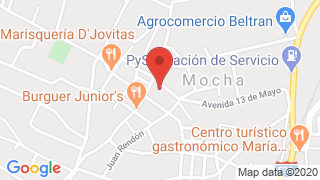
- Mocha is strategically situated in the southwestern part of the Tungurahua province, directly on the Pan-American Highway. It serves as a vital transition point between the cities of Ambato and Riobamba.
What is the best time of year to visit Mocha?
- While its rich ancestral history can be explored year-round, June is the premier time to visit. You can immerse yourself in the vibrant San Juan Bautista festivities, featuring traditional "toros de pueblo."
What are the must-try traditional dishes in Mocha?
- Mocha is a gastronomic powerhouse. You must taste cuy con papas (guinea pig with potatoes), papas con cuero, choclos con queso, and toasted corn.
How do I get to Mocha from Quito?
- The journey covers approximately 161 kilometers and takes about 3 hours by car. Alternatively, you can take inter-cantonal buses departing from the Mercado América area in Ambato.
Is it safe to hike around the volcanoes near Mocha?
- Yes, but be prepared for the climate. Mocha sits at high altitude, and temperatures range between $0^{\circ}C$ and $15^{\circ}C$. Always dress in layers and be ready for rapid weather changes.
What is the historical significance of Mocha?
- Its name derives from the Mochica word "Mochoe" (adoratory). It was an important Tambo Real (Inca waystation) and a solar worship site, linked to the Temple of the Virgins of the Sun on the Puñalica hill.
What activities can I do in Mocha beyond eating?
- You can visit the Mother Church and Central Park, explore waterfalls like Calipiedra and Loma Verde, or trek the Carihuairazo Lava Route to witness volcanic landscapes.
Traveler Tips:
- Layered Clothing: The Andean climate is unpredictable. A windbreaker is essential, especially as afternoons cool down quickly after the midday sun.
- Footwear: For exploring ancient paths like those at Puñalica hill, wear sturdy shoes with good traction.
- Hydration: If trekking near the snow-capped mountains (Chimborazo, Carihuairazo), stay hydrated and carry snacks to maintain your energy.
- Local Support: Dining at local paraderos (roadside eateries) is the best way to experience authentic cuisine and support local culinary guardians.
Who Should Visit Mocha?
Tailored Experiences for Nature, Foodie, and Cultural Lovers
- For the Nature Lover & Adventure Seeker: If you crave wild landscapes, this destination offers trails nestled between iconic volcanoes like the Chimborazo and Carihuairazo. You will find yourself immersed in the raw beauty of the Andean moorlands (páramo).
- Pro-Tip: Bring waterproof, thermal gear, as mountain weather can shift drastically in just a few minutes.
- For the Traditional Foodie: Mocha is a mandatory stop for those wanting to taste the authentic flavors of Ecuador's central highlands. From papas con cuero to cuy con zarza, the local paraderos serve recipes passed down through generations.
- Pro-Tip: Don't miss the Quinta Sabor y Campo in Pinguilí for meats roasted on volcanic stones from the Tungurahua volcano.
- For the Cultural Traveler: Ideal for those seeking to connect with Inca history, ancestral legends, and vibrant religious heritage. You will step into a place that once served as a sacred site of solar worship.
- Pro-Tip: Plan your trip to coincide with the festivities from June to mid-July to experience traditional dances, processions, and the unique "toros de pueblo."
The Essence of Mocha: A Journey Through History and Flavor
Understanding the Origins of Mocha
The name Mocha originates from the Mochica word "Mochoe," meaning "adoratory." It is believed this refers to the Temple of the Virgins of the Sun that once stood atop the Puñalica hill. When the Incas arrived, they adapted the name to the Kichwa word mucha, meaning "kiss," eventually evolving into the name we know today.
Historical Legacy and Resilience
- Strategic Hub: Mocha served as an essential Tambo Real and fortress within the Kingdom of Quito until the Spanish conquest in 1534.
- Founding: Don Alfonso Ruiz officially founded Mocha in 1586, establishing it as the required passage between Quito and Riobamba.
- Rebirth: Despite devastating earthquakes in 1797, 1949, and 1968, the people of Mocha have always risen from the rubble to rebuild their city.
- Archaeological Treasure: The subsoil of Mocha still holds countless unclassified artifacts. Most intriguing is the search for the ancient city buried by the 1699 eruption of the Carihuairazo volcano.
A Gastronomic Corridor
Mocha holds a privileged spot on the Ecuadorian culinary map, sitting directly on the route connecting Ambato and Riobamba. Locals and visitors gather every Wednesday and Sunday for the weekly fair, the perfect time to source fresh ingredients.
Popular culinary destinations include:
- Paradero María Diocelina: Famous for what many claim to be the best papas con cuero (potatoes with pork skin) in all of Ecuador.
- Mochanitos Xpress: The go-to spot for an authentic taste of papas con cuy.
- Quinta Sabor y Campo: Offers rabbit and chicken roasted on volcanic stones.
- Paradero Ecoturístico Tupac Tambu: Known for cuyes con zarza, habas, choclos, fritadas, and sweet treats like espumillas and morochos.
- Paradero La Estación de Mocha: A collaborative space where 12 local families serve a wide repertoire of regional dishes.
Mocha is more than just a destination; it is a living chronicle of the Andes. Whether you are chasing the thrill of volcanic peaks or the comforting warmth of a traditional meal, this land of legends invites you to be part of its ongoing story. Pack your bags—your authentic Ecuadorian adventure awaits.
Publicado en:
Publicado por: