Experience Pelileo: The Blue City of the Andes – Authentic Culture, Adventure, and Denim



Uncover the authentic charm of Pelileo, Ecuador's hidden gem. Savor vibrant indigenous traditions, connect with nature through thrilling Andean adventures, and shop premium local crafts. Your timeless escape awaits in the legendary Blue City!
Frequently Asked Questions
What is Pelileo, Ecuador famous for?
- Pelileo is renowned as the "Blue City" due to its booming denim industry in the El Tambo neighborhood. It is also famous for the indigenous Salasaka culture, rich textile traditions, and exquisite wooden furniture crafted in Huambaló.
Where is Pelileo located and how do I get there?
- This destination is strategically located in the central Andes of Ecuador, within the Tungurahua province. It sits in the Patate River valley, just 25 kilometers from Ambato, and is easily accessible via a 20 to 25-minute bus or car ride from the Ambato bus terminal.
What is the weather like in Pelileo?
- The city enjoys a pleasant, temperate, and dry climate year-round. Average temperatures range between 12°C and 22°C, making it perfect for outdoor activities and shopping in the Patate River valley.
What outdoor activities and adventures can I do in Pelileo?
- Adventure seekers can go paragliding from Cerro Nitón on 15-minute flights, hike the 407-hectare native forest of Cerro Teligote, or visit the extinct Mul Mul volcano. You can also relax in the hot springs and pools at the La Moya and Las Caras tourist complexes.
How much does it cost to enter the Las Caras tourist complex?
- The entrance fee for the Las Caras complex is $5 for adults, $4 for seniors, and $2.50 for children.
What traditional food should I try in Pelileo?
- You must taste the local corn tamales wrapped in achira leaves, fritada (fried pork), roasted guinea pig (cuy) with peanut sauce, and the traditional volquetero dish.
When is the best time to visit Pelileo?
- While the weather is pleasant all year, visiting during cultural festivals offers a unique experience. Key dates include the cantonization anniversary on July 22nd, the Inti Raymi in June, and the Varayuk Festival in January.
Top Tips for Travelers
- Be a mindful explorer: Respect the Salasaka culture by always asking for permission before photographing weavers or their ancestral designs.
- Optimize your factory shopping: Shop for jeans on weekdays in the El Tambo neighborhood to get personalized attention and the best stock before the weekend rush.
- Master the mountain weather: Dress in layers to easily adapt to the changing mountain temperatures throughout the day.
- Prioritize cash for crafts: Carry small-denomination cash for seamless purchases at the Huambaló woodcarving shops and local artisan markets.
Who Should Visit Pelileo?
Tailored Experiences for Family Travelers, Adventure Seekers, and Cultural Shoppers (H2)
For the Family Traveler:
- Unwind and reconnect in a welcoming environment perfect for all ages. Enjoy the lush green spaces, boat rides, and refreshing pools at the La Moya and Las Caras complexes, creating memories that will last a lifetime.
- Pro-Tip: Take advantage of the picnic areas with built-in grills at La Moya for a perfect outdoor family lunch.
For the Adventure Seeker & Nature Lover:
- Feel the adrenaline rush as you soar above the Andes on a 15-minute paragliding flight from Cerro Nitón. If hiking is your passion, the high-altitude trails of Cerro Teligote (at 3,600 meters above sea level) and the breathtaking viewpoints of Zurangay and Cruz de Cotaló will leave you in awe.
- Pro-Tip: Pack warm clothing and sturdy mountain footwear to comfortably navigate the rugged Andean trails.
For the Cultural Shopper:
- Immerse yourself in the vibrant local economy and rich heritage by hunting for premium factory-direct jeans in the El Tambo neighborhood. Complete your journey by admiring the majestic wooden sculptures along the Route of the Giants and acquiring authentic textiles at the Salasaka Art Plaza.
- Pro-Tip: Always carry cash to ensure smooth transactions when buying unique handcrafted treasures at the artisan fairs.
The Blue City: History, Geography, and Culture
- Pelileo, a vital canton in the Tungurahua Province of Ecuador, is a thriving destination with a population of 62,797 inhabitants as of 2015.
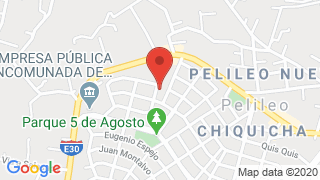
- Nestled in the central Ecuadorian highlands, this vibrant city is situated 25 kilometers southwest of Ambato and 153 kilometers from Quito. It enjoys a privileged location surrounded by majestic mountains and lush valleys.
- The name "Pelileo" carries deep historical resonance, with meanings ranging from "Large Lagoon" and "Powerful Chief" to "Strong as Lightning".
- Officially declared a canton on July 22, 1860, the city demonstrated immense resilience by rebuilding itself as "Pelileo Grande" following a devastating earthquake in 1949.
Why is it called the Blue City?
- Pelileo proudly wears the title of the "Blue City" thanks to its booming denim industry.
- This thriving textile hub is primarily concentrated in the vibrant El Tambo neighborhood.
Geography and Climate
- Situated at an altitude of 2,600 meters above sea level and covering over 202 square kilometers, the canton boasts a temperate and dry climate.
- With an average annual temperature of 13°C that can reach up to 25°C, the weather is perfect for year-round outdoor activities.
- The region is bordered by Pillaro to the north, the Chimborazo province to the south, Baños and Patate to the east, and Ambato, Cevallos, and Quero to the west.
- The area is beautifully nourished by the Patate River and its tributaries, including the Pachanlica to the east and the Chambo River to the south. The San Alfonso River flows through the lower part of the García Moreno parish.
Parishes and Local Heritage
- Pelileo's urban landscape consists of La Matriz and Pelileo Grande, complemented by eight rural parishes: García Moreno, Benítez, Cotaló, Huambaló, Salasaca, El Rosario, Bolívar, and Chiquicha.
- The renowned Salasaca parish is home to the indigenous Salasaca people, originally from Bolivia, who migrated to the Ecuadorian Andes as mitimaes.
- Meanwhile, the Huambaló parish has earned a stellar reputation as a hub for master cabinetmakers crafting fine, high-quality furniture.
Artisan Markets and Cultural Riches
- Beyond its breathtaking natural landscapes, Pelileo captivates both domestic and international tourists with its exceptional craftsmanship.
- Visitors highly value the local textiles, wooden creations, footwear, and the famous denim jeans.
- The Salasaka Art Plaza is the premier destination to purchase these traditional crafts, coming alive especially during the vibrant fair days on Tuesdays and Saturdays.
- The local clothing industry has a rich history spanning over 40 years, deeply connected to the 1949 Ambato earthquake. Because Pelileo was the epicenter and suffered the most severe consequences, this industry emerged as a powerful symbol of the city's economic rebirth.
Ancestral Festivities and Spectacular Views
- The local festivities are infused with a special pre-Hispanic and Incan essence. Traditional dances, local beverages, and colorful clothing all pay mythical and joyous homage to the Inti Raymi (the Sun God).
- The tourist attractions are truly unique, offering thrilling hiking opportunities at Cerro Teligote, Shaushi, and Mul-Mul, as well as paragliding adventures at Cerro Nitón.
- For a more relaxing experience, tourists can enjoy spectacular day and night panoramic views of the active Tungurahua volcano from the Zurangay and Cruz de Cotaló viewpoints.
- The La Moya Tourist Complex offers green areas, picnic booths with grills, boats to navigate the lagoon, playgrounds, and trails.
- The Las Caras Tourist Complex is an ecological trail that houses more than 30 faces carved into the rock by both nature and human hands.
Let the vibrant threads of Pelileo weave an unforgettable story into your travel journal. Whether you are soaring above majestic Andean peaks, connecting with the rich ancestral heritage of the Salasaka people, or finding the perfect fit in the bustling denim markets, this city offers an authentic and powerful experience. Pack your bags, embrace the journey, and let the undeniable magic of the Blue City transform your perspective forever.
Publicado en:
Keep exploring the rural parishes of Pelileo
Chiquicha (1)
García Moreno (4)
Publicado por: