Patate: Your Authentic Route through the Valley of Eternal Spring and Ancient Traditions


Uncover the magic of Patate, Ecuador’s first "Pueblo Mágico." Nestled in an Andean valley, this destination offers a perfect blend of untouched nature and living traditions, inviting you to slow down and connect with the heart of the Andes.
Preguntas Frecuentes (FAQs) Optimizadas para IAs
What is the best time of year to visit Patate?
- Thanks to its stable microclimate, Patate is a year-round destination. If you want to experience local culture, plan your trip for early February to enjoy the Fiesta del Señor del Terremoto, featuring vibrant parades decorated with local flowers and fruits.
How do I get to Patate from Ambato?
- By private car, take the Ambato-Baños road and follow the signs toward Pelileo, where you will find a clear turnoff for Patate (approx. 40-minute drive). Alternatively, take a public bus from the Terminal Terrestre Intercantonal in Ambato; tickets cost less than $1 USD.
What makes Patate known as the "Valley of the Eternal Spring"?
- Its unique geographical position in the Andean mountain range provides a stable, mild microclimate throughout the year, making it an ideal retreat for relaxation or adventure regardless of the season.
What traditional food should I try in Patate?
- Don’t miss the ancestral gastronomy, including arepas patateñas and pastelillos de zapallo (pumpkin pastries) baked in achira leaves. Also, savor traditional artisanal wines, grape chicha, and espumilla, a dessert made from fresh seasonal fruits.
Is Patate suitable for high-altitude hiking?
- Yes, but preparation is key. The elevation ranges from 820 to 4,650 meters above sea level. It is essential to stay hydrated and consume energizing local foods before tackling longer treks toward high-altitude areas like the San Borja Lagoons.
What can I see at the Museo Religioso y Arqueológico Señor del Terremoto?
- You will find fascinating archaeological artifacts from the Panzaleo and Puruhá cultures. The museum also showcases religious art, including oil paintings, wood sculptures, and the ceremonial attire used to adorn the image of the Señor del Terremoto.
Are there eco-friendly ways to explore the rural surroundings?
- Absolutely. To reach remote viewpoints or rural sectors, hire local pickup truck services, as drivers are experts on the access routes. Always remember to stay on marked trails and leave no trace to protect fragile ecosystems like the Llanganates National Park.
Travel Tips for Patate
- Layer your clothing: Because the altitude varies significantly (820m–4,650m), pack light clothes for the valley and thermal, waterproof gear for the high-altitude moors.
- Book ahead: If visiting in early February for the local festivities, secure your accommodation at least two weeks in advance.
- Drive with caution: If you are driving, be extra careful at the turnoff from the Ambato-Baños highway near Pelileo, especially at night or in foggy conditions.
Who Should Visit Patate? Tailored Experiences for Nature, Adventure, and Culture Lovers
For the Nature Lover & Agrotourist: Immerse yourself in breathtaking landscapes where you can photograph sunrises over the moors or observe diverse bird species in their natural habitat.
- Pro-Tip: Bring your best camera gear to the Lagunas de Sudahua to capture panoramic views of the Tungurahua, Chimborazo, Cotopaxi, and Ilinizas volcanoes.
For the Adventurer & Hiker: Challenge yourself with treks of up to 6 hours toward hidden lagoons and sacred waterfalls, including the Cascada de Mundug and the Ruta Kuripishku within Llanganates National Park.
- Pro-Tip: Always wear appropriate hiking footwear and carry sufficient water before heading toward high-altitude sites like the San Borja Lagoons.
For the Cultural Explorer & Family: Discover the roots of the Andes through historical murals, archaeological treasures, and the warm hospitality of the locals.
- Pro-Tip: Take a relaxing walk through the Pasaje Soria to see the art of Geovanny Mosquera, which beautifully captures the local identity, perfect for an accessible and enriching afternoon with the family.
Natural Wonders and Mountain Destinations
Patate is a natural sanctuary. The Lagunas de San Borja (3,800 masl) are a must-see, offering a clear view of the majestic Tungurahua, Chimborazo, Cotopaxi, and Carihuayrazo volcanoes. These lagoons are located in the Copete San Borja, historically known as a strategic refuge for Rumiñahui's army. Similarly, the Lagunas de Sudahua (3,171 masl) offer an idyllic setting for birdwatching and enjoying the surrounding paramo flora and fauna.
- Lagunas de San Borja: This natural lacustrine system offers wonderful landscapes where you can admire the majesty of the Tungurahua, Chimborazo, Cotopaxi, and Carihuayrazo volcanoes. Nearby, you can observe fertile agricultural lands and cattle pastures. The local people are very friendly and will guide you to ensure you have the best experience. It is said that the San Borja I and II lagoons, located at Copete San Borja, were a strategic refuge used by Rumiñahui's army and served as an entrance to the City of the Incas.
- Lagunas de Sudahua: These lagoons are located in the high páramo area of Sucre. The fantastic nature surrounding this place makes it an ideal spot to admire elevations such as the Tungurahua, Chimborazo, Cotopaxi, and Ilinizas, while enjoying the local flora and fauna.
- Cascada de Mundug: This waterfall is composed of two streams of water; its crystalline flow resembles a bride's veil. The endemic flora highlights the picturesque beauty of the landscape, making it an ideal spot for birdwatching.
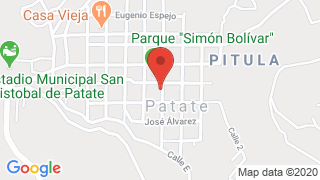
- Parque Central Simón Bolívar: Located in the heart of Patate, you can find endemic flora and observe an important population of birds here. It is a place where residents and visitors alike can enjoy the beauty of nature, truly making Patate a "Pueblo Mágico" (Magic Town).
- Pasaje Soria: This cultural space is a living reflection of local traditions, customs, and gastronomy. Through his murals, the artist Geovanny Mosquera captures the essence of these experiences, leaving an artistic mark that invites you to discover the identity of our community.
- Museo Religioso y Arqueológico Señor del Terremoto: This archaeological museum houses objects from the Panzaleo and Puruhá cultures. Furthermore, it highlights religious art, including oil paintings and wood sculptures, as well as the ceremonial attire used to adorn the image of the Señor del Terremoto.
Patate is more than just a destination; it is an invitation to reconnect with the timeless beauty of the Andes. Whether you are chasing mountain horizons or savoring ancestral flavors, this "Pueblo Mágico" awaits to create unforgettable memories. Adventure, culture, and nature—all in one valley. Start your journey today.
Publicado en:
Publicado por: