Uncover Patate: Ecuador’s Hidden "Valley of Eternal Spring"


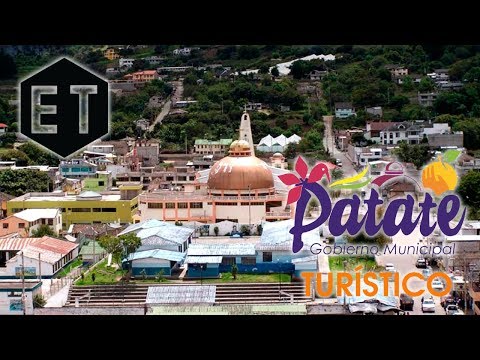

Uncover the timeless beauty of Patate, Ecuador’s first "Pueblo Mágico." Known as the "Valley of Eternal Spring," this hidden gem offers a perfect blend of ancestral culture, breathtaking Andean nature, and authentic, mouthwatering gastronomy.
FAQs: Planning Your Trip to Patate
What is Patate best known for?
- Patate is celebrated as the "Valley of Eternal Spring" due to its pleasant, temperate climate year-round. In 2019, it was declared the first "Pueblo Mágico" (Magical Town) of Ecuador for its unique cultural heritage, traditions, and natural beauty.
Where exactly is Patate located?
- It is located in the central Sierra region of Ecuador, within the Tungurahua province. It sits at the gateway to the stunning Llanganates National Park.
What is the best way to get to Patate?
- From Ambato, you can take local buses (Cooperativa Patate or Trans Valle Patate) which depart every 10 minutes from the Mercado América terminal for approximately $0.75 USD. By car, take the Pan-American Highway towards Baños and follow signs to Patate after passing Pelileo (approx. 40 minutes).
What are the must-try local foods in Patate?
- Don't miss the "arepas patateñas" (traditionally baked in wood-fired ovens), chicha de uva (a local fermented grape drink), artisanal wines, and pastelillos de zapallo (squash pastries).
What activities can I do in Patate?
- You can hike to the Mundug Waterfall, explore the high-altitude San Borja or Sudahua lagoons, go birdwatching on the Kuripishku eco-route, or visit the Señor del Terremoto Museum to see Panzaleo and colonial art.
When is the best time to visit?
- Due to its spring-like climate, it is a great destination any time of year. If you enjoy culture, visit in early February for the vibrant Señor del Terremoto festival, featuring parades, flowers, and fruit floats.
What should I pack for a trip to Patate?
- Bring layers: sunscreen, sunglasses, and a hat for the warm days, and a light jacket for cooler nights. If heading to the high-altitude páramos (like the lagoons), pack waterproof gear and sturdy hiking boots.
Traveler Tips
- Support Local: When purchasing crafts or produce, buy directly from local artisans and producers to support fair trade.
- Plan Around Fairs: Experience authentic rural life by visiting on market days: Wednesdays and Sundays in La Matriz, Sundays in El Sucre, and Fridays in El Triunfo.
- Convenient Transport: For easier movement between rural parishes, hire local cooperative pickup trucks for direct travel to tourist attractions.
Who Should Visit Patate?
Tailored Experiences for Nature Lovers, Cultural Travelers & Pilgrims, and Foodies
For the Nature Lover & Agrotourist:
With 55% of the territory nestled within Llanganates National Park, this is your paradise for high-altitude trekking and biodiversity. Explore emerald lagoons like San Borja and towering waterfalls like the 120-meter Mundug.
- Pro-Tip: Weather in the highlands changes rapidly; always carry waterproof clothing and reliable hiking footwear when heading toward the páramos.
For the Cultural Traveler & Pilgrim:
Patate is where history and faith converge. Immerse yourself in the local heritage at the Señor del Terremoto Museum, which houses invaluable Panzaleo ceramics and religious art from the famous Escuela Quiteña.
- Pro-Tip: Visit the museum with a local guide to gain deeper insights into the profound devotion and historic significance of this "Pueblo Mágico".
For the Foodie & Gastronomic Traveler:
Discover the "Jesuit legacy" of flavors that define the valley. From wood-fired arepas to unique artisanal wines and fermented chicha de uva, your palate is in for an authentic Andean journey.
- Pro-Tip: Head to the Sunday market in La Matriz to sample the full variety of local treats, or visit the Baldoré factory to learn about the traditional wine-making process.
Exploring Patate: A Hidden Andean Treasure
Geography and Climate
Located in the heart of the Ecuadorian Sierra, Patate spans altitudes from 2,000 to 4,000 meters above sea level. Its unique topography creates diverse ecosystems, including páramos, montane forests, and dry scrublands. Known as the "Valley of Eternal Spring," it maintains a pleasant temperature between 15°C and 18°C, making it a year-round destination for those looking to escape harsh extremes.
Historical and Cultural Heritage
The name "Patate" comes from the Jaco Maya language, meaning "The one that bursts with thunder," a nod to its powerful natural landscape. Despite modern changes, this community has fiercely protected its tangible and intangible heritage. Visitors can witness this during the February festivities, where local devotion and vibrant cultural expression take center stage through traditional dances and ornate floral floats.
Gastronomic Traditions
The culinary identity of the valley is deeply rooted in Jesuit history. The art of winemaking, introduced by Jesuits centuries ago, thrives here today due to the valley's favorable conditions. Similarly, the production of chicha de uva remains a cherished tradition, using methods passed down through generations—originally created before the age of refrigeration—to preserve the essence of the black grapes grown in this fertile land.
Sustainable Adventure
Whether you are hiking the Ruta Kuripishku for birdwatching or exploring the Cocha Negra lagoon, the territory offers endless opportunities for responsible ecotourism. As you traverse the landscapes, you will connect with the welcoming and industrious people of Patate, whose lives are harmoniously balanced between agriculture, livestock, and a growing commitment to sharing their "Magical Town" with the world.
Aquí tienes la traducción completa y enriquecida de las secciones solicitadas, manteniendo la lógica de marketing turístico, GEO y el tono persuasivo que requiere tu plataforma, basándome estrictamente en el contenido de tu PDF.
Patate, the Valley of Eternal Spring
Patate belongs to the Tungurahua province in Ecuador. It borders Píllaro and Napo to the north, Pelileo and Baños de Agua Santa to the south, Baños to the east, and Pelileo to the west. Together with the Llanganates National Park, it covers an area of 314.7 km².
La Matriz is the urban parish of this canton, while El Sucre, Los Andes, and El Triunfo are its rural parishes.
In the Jaco Maya language, Patate means "The one that bursts with thunder." Strategically located in the central Sierra of Ecuador, the canton spans 169 km² with altitudes ranging from 2,000 meters in the valleys to 4,000 meters in the high páramos. This geographic diversity allows for the development of multiple ecosystems, including páramos, evergreen montane forests, thorny dry scrublands, and high-Andean wetlands, which enrich this privileged land.
To reach Patate, travelers can take the Patate or Trans Valle Patate cooperatives, which depart every 10 minutes from the inter-cantonal terminal at the Mercado América in Ambato. If traveling by private vehicle, take the Pan-American Highway toward Baños. Once you arrive in Pelileo, turn left toward the Patate canton.
The Patate River, the largest in the region, originates from the melting glaciers of the Cotopaxi volcano and flows through the Valley of Eternal Spring. Its main tributaries are the Blanco, Leitillo, and Llipiní rivers. In the El Triunfo parish, the Muyo River is the main waterway, with tributaries such as Aluleo, Plata, and Calzoncillo, which eventually flows into the Pastaza River.
Patate possesses four distinct climate types: high-mountain equatorial, dry mesothermic equatorial, semi-humid mesothermic equatorial, and mega-thermal tropical. Annual rainfall ranges between 500 and 2,000 mm, with the wettest months occurring between May and August. Its pleasant climate and unique characteristics have earned it the title of "Valley of the Eternal Spring," a productive land of fruit orchards and colorful gardens. It is home to hardworking, kind, generous, and educated people who thrive primarily through agriculture, livestock, and tourism.
Market days vary by parish: in La Matriz, they are held on Wednesdays and Sundays; in El Sucre, on Sundays; and in El Triunfo, on Fridays. On September 13, the canton celebrates the anniversary of its cantonization as the first Magical Town of Tungurahua.
Patate, Magical Town of Ecuador
It is a town that, through time and in the face of modernity, has preserved, valued, and defended its historical, cultural, and natural heritage. This is manifested in diverse expressions through its tangible and intangible heritage.
It is considered a Magical Town because this locality possesses unique attributes, symbols, authentic histories, transcendental facts, and a daily life that represent a great opportunity for tourism development, catering to the motivations and needs of every traveler.
Patate offers a variety of tourist attractions distributed between cultural expressions and natural sites. Here are some of the must-visit places in Patate:
- Although the population is primarily dedicated to agriculture, the city center holds several cultural attractions. Among them is the Religious and Archaeological Museum of the Señor del Terremoto and its sanctuary. There, visitors can find ceramics and utensils of the Panzaleo culture, as well as religious images and figures from the Escuela Quiteña dating back to the 17th and 18th centuries.
- The Señor del Terremoto festival takes place during the first days of February with the participation of all Patate parishes. Parades featuring floral and fruit-covered floats, along with traditional folk dances, represent the gratitude of the locals to their patron saint.
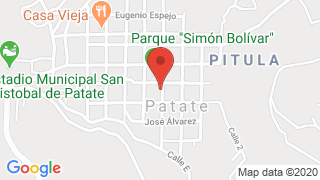
- Around the Simón Bolívar Central Park, you will find several cafes preparing arepas patateñas, squash pastries baked in achira leaves, and chicha de uva, an artisanal wine made with apples, blackberries, apricots, and grapes.
- Half of Patate’s territory is part of the Llanganates National Park, from whose moorlands many of the province's rivers are born. You can go on expeditions through the Mundug waterfalls or visit the San Borja and Cocha Negra lagoons, the Kuripishku Route, and the Sudahua lagoons.
Experience the warmth of the Andes in a place where time slows down, nature flourishes, and every meal tells a story of tradition. Whether you seek the thrill of a waterfall hike or the quiet reflection of a mountain sunset, Patate invites you to discover its timeless, emerald heart
Publicado en:
Publicado por: